
Heart and kidney disease often develop quietly. By the time obvious symptoms appear, the condition may already be advanced. Early detection is one of the most powerful tools we have to protect long-term health — and in many cases, to prevent serious complications altogether.
Why the heart and kidneys are connected
The heart and kidneys depend on each other. The heart pumps blood that the kidneys filter, and the kidneys help regulate blood pressure and fluid balance that the heart relies on. When one organ is under strain, the other often follows. This is why vascular health — the condition of your blood vessels — sits at the centre of both.
Warning signs not to ignore
- Unexplained fatigue or breathlessness
- Swelling in the legs, ankles, or around the eyes
- Changes in urination (frequency, colour, or foaming)
- Persistent high blood pressure
- Chest discomfort or palpitations
If you notice any of these, it is worth getting assessed rather than waiting.
Screenings that make a difference
Simple, accessible tests can reveal a great deal:
- Blood pressure monitoring — high blood pressure is a leading cause of both heart and kidney damage.
- Blood tests — for kidney function (creatinine, eGFR) and cholesterol.
- Urine tests — to detect protein, an early sign of kidney stress.
- Vascular imaging — Doppler ultrasound can identify reduced blood flow before symptoms appear.
How early vascular care helps
When problems are found early, treatment is often simpler, less invasive, and more effective. Managing blood pressure, cholesterol, and blood sugar — alongside lifestyle changes — can slow or even halt progression. Where blood vessels are narrowed, minimally invasive procedures can restore healthy flow and protect both the heart and kidneys.
The takeaway
You do not need to wait for symptoms to take action. Regular check-ups and a few straightforward screenings can catch problems while they are still easy to manage. If you have risk factors such as diabetes, high blood pressure, or a family history of heart or kidney disease, speak to a specialist about a screening plan that fits you.
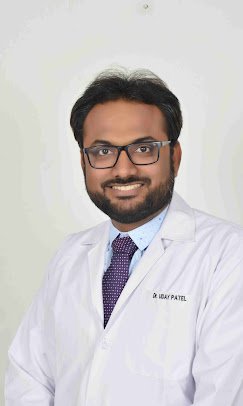
Dr. Uday Patel
Consultant Interventional Radiologist at Pulse Clinic. Articles are written to be helpful and accurate; always consult a doctor for personal advice.